


To support my work, please consider becoming a paid subscriber.
This post continues a story about my early experiences in polyamory. Read the beginning of the story here: So, You’re Polyamorous. I Could (Never) Do It.
I don’t actually know how many first dates I’ve gone on in the last two years1. But I do know that I’ve learned so much from dating in midlife while also maintaining a long-term relationship. This post explores the highs and lows of my early dating experiences, my gripes about dating apps compared to meeting people in-person, and the challenge of building relationships without treating them as destinations. It's a story about learning what I need, letting go of what I can't control, and appreciating the unexpected connections that can emerge when we approach people with curiosity and openness.
My first date
Meeting someone I wanted to date was what gave me the nudge to move from learning about polyamory to practicing it.
My first date with Nate2 was so fun. We had instant rapport. Although I can have a good conversation with just about anyone, I don’t often meet people that I want to stay up talking to all night. Nate was so playful and brought that energy out in me. We made up our own darts game in the bar where each number on the dart board meant you had to perform a certain action, like running outside and waving to each other through the window, doing a handstand, or flirting with the bartender. We had great chemistry. I was surprised how easy it felt to start dating someone new for the first time in 13 years.
Unfortunately, Nate was looking for monogamy, and this doomed us from the start. His goal to settle down with a life partner didn’t mesh with what I wanted or had to offer. I was devastated when, after only a couple weeks, he ended things. Just as suddenly as the relationship had started, it was over.
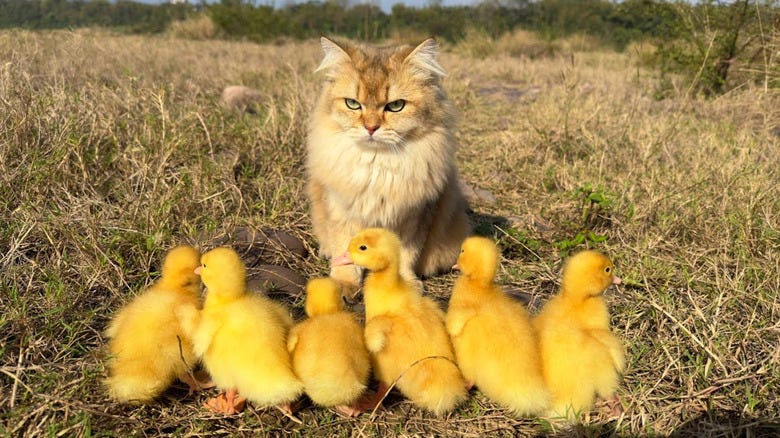
It’s hard to convey the importance of a short relationship; many of us use time as a measure of value. But this was my first new relationship in polyamory. I had attached quickly to my idea of Nate, like a baby duckling imprinting on the first animal it sees, thinking she’s its mother.
Looking back, it’s clear that I was experiencing limerence.
Limerence is an intense, involuntary state of romantic obsession characterized by intrusive thoughts, an overwhelming desire for reciprocation, and emotional highs and lows. It is typically one-sided and largely fueled by uncertainty and a fantasy of who the person is. (Psychology Today)
I had constructed this fictional ideal of who Nate was, focused only on his best qualities, and longed for my feelings to be returned. The feelings I experienced were intense, but they weren’t love. I couldn’t love someone I didn’t actually know.
Over the coming months and years of dating, I would learn that it was relatively rare for me to connect with someone so strongly. But when I did, I was likely to have similar obsessive thoughts and anxious feelings. I would crush hard, then feel crushed when things crashed. 🫠 I repeated this pattern until I realized limerence was amplified by an anxious attachment style. Healing these tendencies would require untangling my worth from being validated by others’ attention. (Hello, therapy.)
However, one amazing thing about dating non-monogamously is that I could also turn to my long-term partner for support. The comfort he provided in my grief over this relationship, and others to come, would bring us even closer.
Dating apps
After tending my wounds, I decided to try a dating app. I’d last tried apps when I was 22 and single: I’d had three dates in a week, found it incredibly stressful, and immediately quit. I had so much trouble matching facts to people and remembering who I had told what. I decided I couldn’t date multiple people at once; I just wasn’t wired for it. (How things change!)
There are many problems with dating apps. They commodify and dehumanize people, turning them into a series of photos and facts. The app interface makes people seem highly disposable. Swipe, swipe. There’s not a lot of intentionality around communication; endless texting without plans to meet and random ghosting are rampant. I kind of wonder if apps bring out the worst in us, if we have all accepted that the social norm is to be inconsiderate or conflict-avoidant. And, most importantly, most of the time I just can’t tell if I’m going to click with someone based on texting with them or looking at their photos. So much of chemistry for me is immediate, in-person.
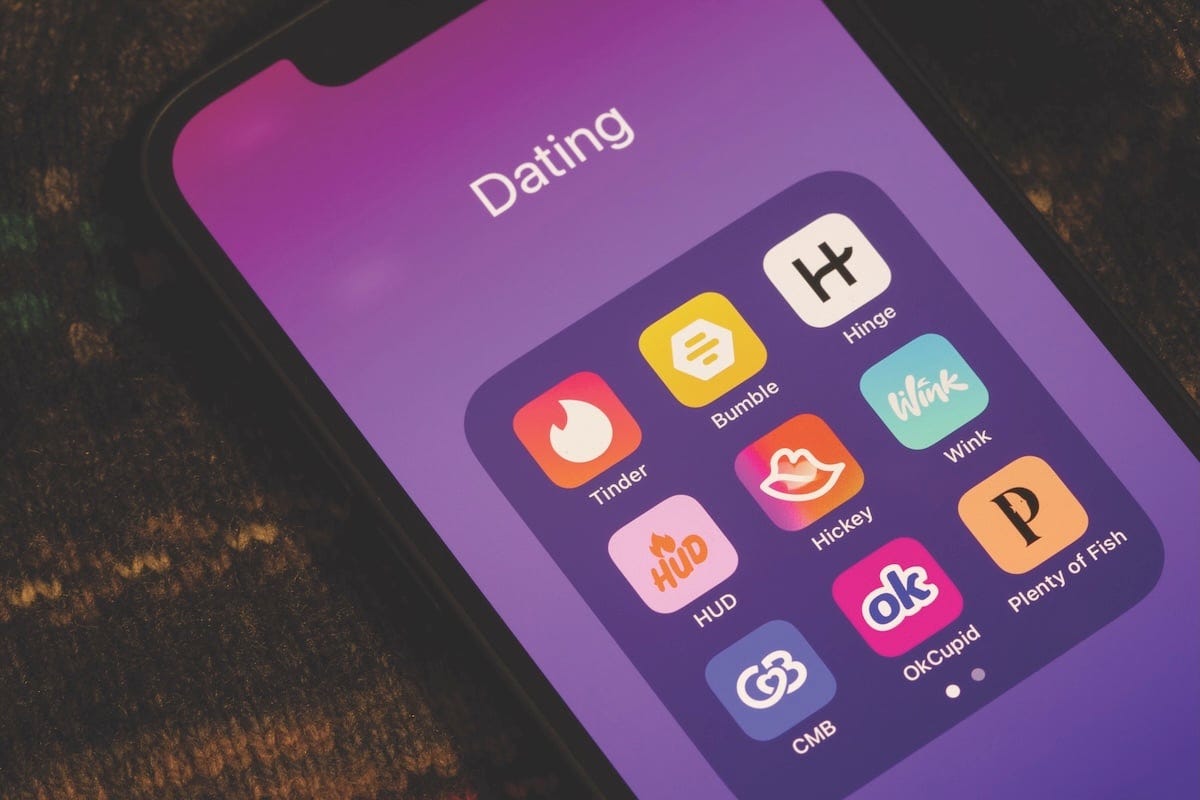
However, app dating is also incredibly convenient for meeting people who are looking for the same thing as you. Most apps let you filter by a preference for non-monogamy, and there’s even one app, Feeld, geared specifically toward that. So, to the apps I went.
During my first months of dating, I didn’t really know what I was looking for. After all, this person would be an addition to my love life, not a replacement. Should I try to find someone who seemed like “my type,” or should I try someone totally different, who I’d ordinarily never go for? Which personal qualities or life circumstances were important to me to match with others on? What were my minimum standards, my non-negotiables? It was time to f*ck around and find out.
I’m a curious person. I love learning about people’s stories and their reasons for being non-monogamous. And there were so many people to meet, so many stories to learn. There were married guys whose wives were asexual, gay, or otherwise uninterested in sex with them. People who had recently gone through a divorce or breakup and “weren’t looking for anything serious.” One demisexual3 guy who definitely didn’t want sex “for at least six weeks” but promised me “plenty of kissing.” People who were looking for primary partners4, for girlfriends, for friends with benefits. People who wanted to date me with their partner.5 Single guys with zero responsibilities. Dads with all the responsibilities. A guy with cancer who wanted to make the most of his life while he could. Many guys who described themselves as having “golden retriever energy,” which I decided wasn’t actually a good thing—notably, it meant they had a hard time hearing “no.” Free-spirited guys who were into meditation, ayahuasca, and going to Burning Man. Multiple guys who were super-duper into roller skating. A few guys who seemed more interested in their kinks than the people they were practicing them with.
Theoretically, dating non-monogamously meant I would be able to evaluate how much I wanted to continue getting to know each person without worrying about how they stacked up against other matches. I was freed from the pressure of choosing only one and letting the others go. In practice, though, I just didn’t click with that many people simultaneously. Most of my dates would be fine. A few would be pretty great. And finding someone I really hit it off with was rarest of all. I haven’t experienced the balancing act from making more than one new intense connection at the same time. One new intense connection currently seems to be all I can handle while maintaining my existing commitments.
During these early dating days, I frequently felt exhausted as I juggled seeing/talking to several different people, and managing all the emotional energy that went into frequently starting and ending these connections. I’d crush on someone, get all excited about them, and then it immediately wouldn’t work out for one reason or another. Often, the other person would be wanting a very specific kind of relationship and I would try to change myself to fit into what they wanted, then realize it wasn’t for me. When a connection fizzled, I would go on the apps again for approximately one day, get overwhelmed by the sheer number of matches, and delete the apps again. So many starts and stops, dopamine highs and crashes. I paused dating altogether several times.
What are some different ways to practice ethical non-monogamy (ENM)?
Ethical non-monogamy (also called consensual non-monogamy) is an umbrella term that encompasses many different relationship structures, such as:
Swinging: pursuing casual connections with one’s partner
Open relationships: one primary romantic relationship + allowance for other, more casual connections
Polyamory: multiple romantic relationships
Relationship anarchy: creating unique relationships that fit each connection without pre-defined labels or expectations
The relationship structure I aspired to in my early dating years was polyamory, but the “amory” (love) part has only been a recent development.
Beyond the apps
Although the majority of my first dates have been with people I met on apps, my strongest connections have almost all been people I met in-person. I just don’t think we’re meant to meet people in this commodified meat market type situation, where there’s already an expectation of what each person is looking for in the other. I prefer when chemistry can develop spontaneously, organically, without the structured script of a date or the pressure of figuring out in the moment whether you find someone as attractive or interesting as you’d hoped.
Andie Nordgren’s relationship anarchy manifesto describes the idea of “the lovely unexpected,” a phrase that delights me:
Build for the lovely unexpected. Being free to be spontaneous … is what gives life to relationships. Organize based on a wish to meet and explore each other.
Many of my connections have been products of lovely and unexpected circumstances. Being in the same place at the same time, and with the mental openness to connect. I stood next to Danny at a concert. I sat next to Elio on a couch. I passed Alice in a hallway. Each time, I had the openness and curiosity to say hi, to go beyond small talk, to take a risk.
Over the past several months, I’ve also been building my queer, polyamorous community by meeting people at poly-specific events like cocktail mixers, book clubs, art exhibits, shows, and more. This has been kind of a snowball effect: one of my dates invited me to an event, I met other people there, and started getting invited to more events and community spaces. This has opened up new dating opportunities; just as importantly, it’s given me a new source of community and belonging, a way of relating with people who have a similar set of experiences, vocabulary, and belief systems.
How common is ENM?
I thought I had to rely on app dating because I thought I had almost no chance of meeting someone in the wild who was open to ENM. But actually, the chances may be higher than I had thought. According to Match.com’s 2024 Singles in America Study, 31% of single people have had an ENM relationship, and 16% say they would have one again in the future. And a 2023 YouGov survey found that 34% of people describe their ideal relationship as something other than complete monogamy. The percentages are likely even higher in Seattle, one of the most popular places in the country for ENM.
What I’ve learned from dating in polyamory
I’ve learned what I need and want in relationships. I value responsiveness, attunement, and clear signals of interest. I’ve been working on owning these needs as valid and important rather than worrying about being “too much,” trying to downplay them to meet someone else’s needs, or discarding them when someone hot comes along. This sh*t is hard.
I’ve learned that I’m more interested in a small number of close, intimate relationships than a larger number of casual ones. And that being someone’s friend with benefits ends up causing more suffering than it’s worth. I catch feelings, and that’s okay.
I’ve learned to prioritize in-person connections over online ones. I’ll take effort over convenience most days. This goes well with my general grumpiness toward social media, phone addiction, and AI, and my call for people to build community in third places. It’s not that I’m anti-tech, necessarily. I’m not going to trade my keyboard for a typewriter and a stack of stamps. But in an increasingly digital, artificial, and painstakingly planned world, there’s something beautifully human in eye contact, a meandering conversation, the thrill of an unexpected spark. The lovely unexpected.
I’ve learned to savor moments of connection, regardless of where they “lead” or whether they happen again. I’ve realized how often my mind wants to imagine a shared future, or to recreate a delightful experience with a partner. I’ve been working on being present with and grateful for the time I get to spend with a partner, and for each relationship at each stage, without needing to rush things along toward some higher level of commitment. More entangled isn’t necessarily better.
I’m also trying to accept that all things change. A relationship that’s great now may mature into something really beautiful (and I hope it does!), but I won’t force it. I’ll stay curious, own my feelings and actions with integrity, and accept that I can’t control how others feel or what they decide is right for them.
Some people think that polyamory is inherently more insecure than monogamy6. But your partner could meet someone new. They could change their mind about you. They could leave you. All of this is true of monogamous relationships too, though. We want monogamy because we want certainty and a guarantee of forever. The truth is, there are no guarantees. There’s just staying present, curious, and responsive; giving your partner(s) space to be their own person; healing your own attachment wounds; and cultivating conditions in your relationship(s) for love to grow.
Where I am in polyamory right now
“Love is infinite; time is not.”
There’s a term in the community, polysaturated, that means you have all the connections you can handle7. You’re at capacity.
My capacity for new connections is generally fairly low anyway, given the other relationships I’m trying to balance (long-term partner, small children, friends) plus my own interests and activities. During my early dating, I frequently dipped in and out of saturation as connections began and ended. It took me nearly two years of seeing people in this way—with some breaks from dating altogether—to start to actually build relationships that lasted beyond the third date.
But right now, I’m happily saturated in the best way. I have my long-term partner, Danny, my rock. I have my new partner, Elio, who I’m head-over-heels for. And I’m dating two other people at a slower pace, which feels right for those connections. I haven’t gone on a first date in a while. I’m more interested in enjoying and deepening what I have, for as long as it works for everyone.
This point in my story is a waystation, not a destination—but it’s a milestone I’m grateful to have arrived at. I feel like I’m starting to be able to experience actual polyamory rather than just the stresses of dating. I’m still new at this, and I’m sure I have many joyful and hard moments ahead. I’m cherishing the present, and I’m also so curious to see where the future takes me.
Polyamory glossary of terms
This is a little appendix that contains many of the concepts referenced in my posts about polyamory. You’ll be able to access it at the bottom of each post. It’s a living document that I’ll expand over time; please send me a message if you have any questions so I can keep it updated.
Okay, I went back through my calendar and counted my dates, for science. It looks like the tally is at 55 people, which includes four couples. 51 first dates. Whoa.
Most names have been changed.
Being the third person added to an existing couple is called being a “unicorn,” and many times, unicorns are treated as an accessory rather than as a full person with feelings and needs. See: Polyamory glossary of terms
See Polysecure by Jessica Fern to learn about building secure attachments in multiple romantic relationships.


